For international families arriving in Tokyo, few decisions carry as much weight as choosing the right educational path for their children. From prestigious international schools and the rigorous Japanese public school system to specialized language programs and enrichment activities, the city offers a remarkably diverse range of options. This guide breaks down the landscape so you can make informed choices that fit your family's needs, budget, and long-term goals.
International Schools in Tokyo
Tokyo is home to one of Asia's largest concentrations of international schools, serving the children of diplomats, corporate transferees, and long-term residents who want an education conducted primarily in English (or another non-Japanese language). These institutions vary widely in curriculum, culture, and cost, so understanding the distinctions is essential before beginning the application process.
Types of International Schools
International schools in Tokyo generally fall into three categories. First, there are schools following a specific national curriculum — American, British, German, French, or Indian systems, among others. These are ideal for families who plan to return to their home country or want their children to sit national examinations such as A-Levels or the American AP exams. Second, there are schools offering the International Baccalaureate (IB) programme, which provides a globally recognized framework from Primary Years through to the Diploma Programme. Third, some schools offer blended or bilingual curricula that combine elements of the Japanese national curriculum with international standards, appealing to families seeking the best of both worlds.
- American-curriculum schools: The American School in Japan (ASIJ), Christian Academy in Japan (CAJ), and New International School of Japan (NISJ)
- British-curriculum schools: The British School in Tokyo (BST) and St. Mary's International School
- IB-focused schools: K. International School Tokyo (KIST), Aoba-Japan International School, and Tokyo International School
- Bilingual/blended schools: Laurus International School of Science, Horizon Japan International School
Tuition and Costs
International school tuition in Tokyo ranges significantly. At the lower end, smaller or newer schools may charge around 1.5 million to 2 million yen per year. At the upper end, established schools with extensive facilities can charge upwards of 2.5 million to 3.5 million yen annually. In addition to tuition, families should budget for enrollment fees (typically a one-time payment of 300,000 to 500,000 yen), school bus transportation, uniforms, lunch programs, and extracurricular activity fees. Some employers offer education allowances as part of relocation packages — it is worth negotiating this before accepting an assignment in Tokyo.
Admission and Waitlists
Demand for places at Tokyo's top international schools consistently outstrips supply, particularly in the elementary grades. Many schools require applications to be submitted a full year in advance, and waitlists of six months or longer are not uncommon for popular institutions. The application process typically includes entrance assessments, parent interviews, and review of previous school records. Some schools also require English language proficiency tests for non-native speakers. Starting your research early — ideally before your move to Tokyo — can make all the difference.
"The best school for your child is not necessarily the most prestigious or expensive one — it's the one that matches their learning style, your family's values, and your realistic plans for the future."
The Japanese Public School System
Japan's public school system is one of the most highly regarded in the world, consistently producing strong outcomes in literacy, mathematics, and science. International families who choose to enroll their children in Japanese public schools gain access to a tuition-free education of exceptional quality — but the path requires preparation, patience, and a willingness to navigate a system that operates quite differently from most Western models.
Elementary School (Shogakko) — Ages 6 to 12
Japanese elementary education spans six years and is compulsory. The curriculum covers Japanese language, mathematics, science, social studies, music, art, physical education, and home economics. A distinctive feature of Japanese elementary schools is the emphasis on group responsibility: students clean their own classrooms, serve school lunch to each other, and participate in daily group activities that build social skills and community awareness. For international children, this immersive environment can be remarkably effective for language acquisition — many children become conversationally fluent within a year.
Junior High School (Chugakko) — Ages 12 to 15
The three years of junior high school are also compulsory and mark a significant increase in academic intensity. Students begin studying English as a formal subject, and club activities (bukatsu) become a central part of school life, often running after school until 5 or 6 pm. The academic pressure increases as students approach high school entrance examinations, which determine placement at selective senior high schools. International students entering at this level should have at least intermediate Japanese language ability to keep pace with the curriculum.
High School (Koko) — Ages 15 to 18
Unlike elementary and junior high school, high school is not compulsory in Japan, though enrollment rates exceed 98%. Admission is competitive and based on entrance examination scores and junior high school records. Public high schools charge modest tuition (approximately 118,000 yen per year), and fee waivers are available for families meeting income thresholds. Tokyo also has a small number of public high schools with international courses or special provisions for returnee students (kikokushijo), which can be an excellent option for bilingual teenagers.
Language Schools and Japanese Language Programs
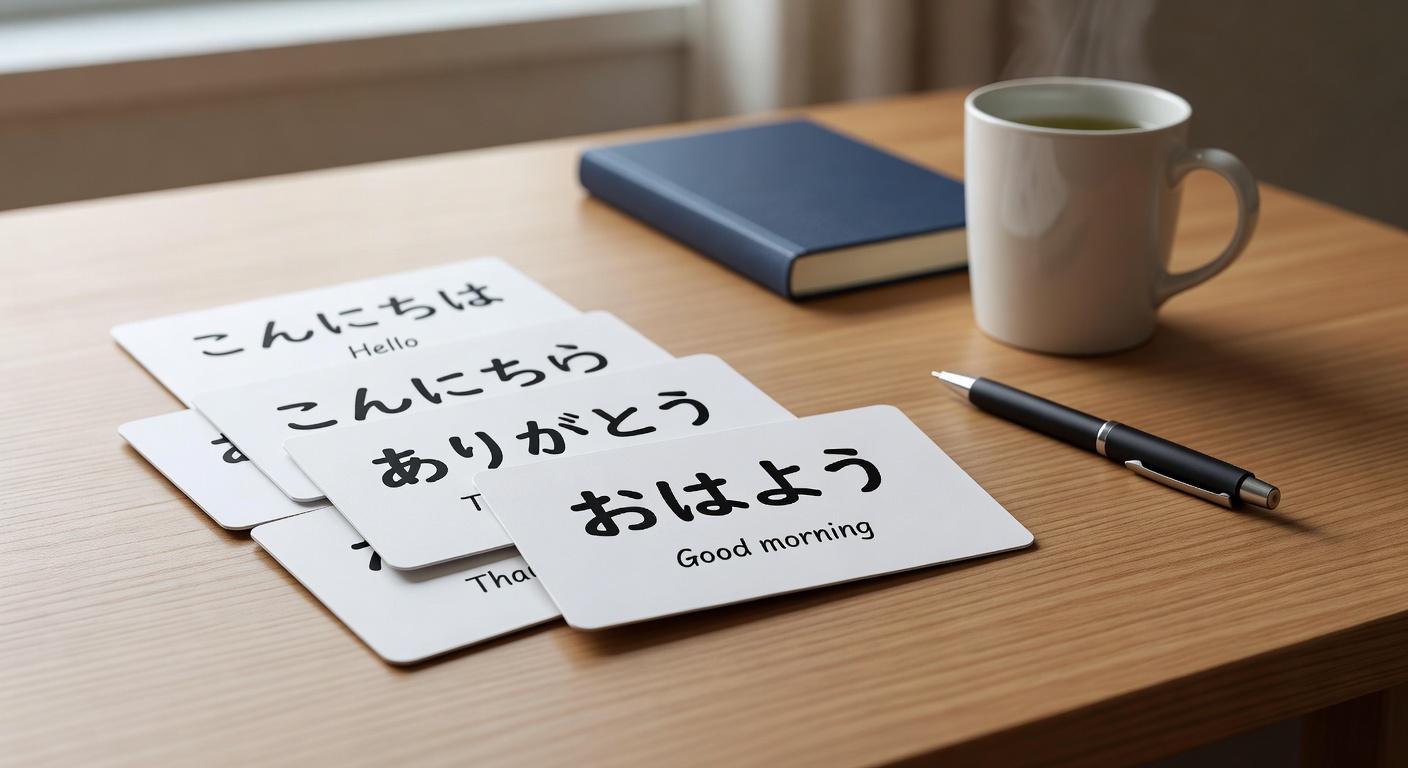
Whether you are a student, a working professional, or a stay-at-home parent, learning Japanese is one of the most impactful investments you can make for your life in Tokyo. The city offers an extraordinary range of language learning options, from intensive full-time programs to casual evening classes and private tutoring.
Intensive Japanese Language Schools
Full-time Japanese language schools (nihongo gakko) are designed primarily for international students who hold a student visa. Programs typically run for one to two years, with classes meeting four to five hours per day, five days a week. Reputable schools include Kudan Institute of Japanese Language, KAI Japanese Language School, Intercultural Institute of Japan, and Human Academy Japanese Language School. Tuition for a one-year intensive program generally ranges from 700,000 to 900,000 yen, not including textbooks and materials.
JLPT Preparation
The Japanese Language Proficiency Test (JLPT) is the standard benchmark for Japanese language ability, with five levels from N5 (beginner) to N1 (advanced). Many language schools offer dedicated JLPT preparation courses, and achieving N2 or N1 certification significantly improves employment prospects in Japan. The test is administered twice a year (July and December) at locations throughout Tokyo. Self-study resources are abundant, but structured preparation courses — whether in-person or online — tend to produce better results, particularly for the higher levels.
ℹ JLPT Levels at a Glance
- N5: Basic Japanese — can understand simple phrases and sentences
- N4: Elementary — can understand basic everyday conversations
- N3: Intermediate — can understand Japanese used in everyday situations to a certain degree
- N2: Upper-intermediate — can understand Japanese in a variety of circumstances; often required for employment
- N1: Advanced — can understand Japanese in a wide range of situations; required for some professional roles
Part-Time and Community-Based Options
For those who cannot commit to full-time study, Tokyo offers numerous part-time options. Ward-operated international centers and community centers (kouminkan) frequently offer free or low-cost Japanese classes for residents, often taught by trained volunteers. These classes are particularly valuable for stay-at-home parents and retirees who want to build language skills in a supportive, low-pressure environment. Private tutoring platforms such as italki, Preply, and Cafetalk also connect learners with qualified Japanese teachers for one-on-one online or in-person sessions.
University Options for International Students
Tokyo is one of Asia's premier destinations for higher education, home to globally ranked universities that increasingly offer degree programs taught entirely in English. The University of Tokyo (Todai), Waseda University, Keio University, Sophia University, and Temple University Japan Campus are among the institutions that actively recruit international students.
English-taught programs span a wide range of disciplines, from liberal arts and international relations to engineering and business administration. Tuition at national universities (such as Todai) is remarkably affordable by international standards — approximately 535,800 yen per year — while private university tuition can range from 1 million to 1.8 million yen annually depending on the program. Numerous scholarship programs are available, including the Japanese Government (MEXT) Scholarship, JASSO scholarships, and university-specific financial aid packages.
The application process for English-taught programs typically requires standardized test scores (SAT, ACT, or IB scores), academic transcripts, a personal statement, and letters of recommendation. Some programs also require an interview, conducted in person or via video call. Application deadlines vary but generally fall between October and February for April enrollment.
"Tokyo's universities are no longer a well-kept secret. The combination of world-class academics, affordable tuition, and the experience of living in one of the world's great cities makes this an increasingly compelling choice for international students."
After-School Programs: Juku and Enrichment Activities
The after-school landscape in Tokyo is a world unto itself. The institution of the juku (cram school or tutoring academy) is deeply embedded in Japanese educational culture, with an estimated 50,000 juku operating nationwide. These supplementary schools serve a range of purposes: some focus on academic remediation, others on exam preparation for competitive junior high or high school entrance tests, and still others offer enrichment in subjects like programming, English conversation, or creative arts.
For international families, juku can serve as both an academic support system and a social integration tool. Children who attend juku alongside their Japanese peers often develop friendships and language skills that complement their school experience. Popular nationwide juku chains include Kumon (focused on mathematics and reading), SAPIX (competitive exam preparation), and Eikoh Seminar. Tuition varies widely, from around 10,000 yen per month for basic programs to 50,000 yen or more for intensive exam-prep courses.
Enrichment and Extracurricular Activities
Beyond academic juku, Tokyo offers a wealth of enrichment activities for children and young adults. Swimming schools, piano academies, calligraphy classes, martial arts dojos, and robotics workshops are all widely available and often accept enrollment on a rolling basis. Many ward-operated community centers offer children's programs at subsidized rates, including art classes, cooking workshops, and sports leagues. International families often find that enrolling their children in these local activities — rather than exclusively international-oriented ones — accelerates language learning and community integration significantly.
ℹ Key Resources for Finding Programs
- Your ward office's education division — provides school enrollment guidance and local program listings
- MEXT (Ministry of Education) website — official information on the Japanese school system in English
- JASSO (Japan Student Services Organization) — scholarship and university information for international students
- Council of International Schools (CIS) — accredited international school directory
- Japan Foundation — Japanese language course finder and JLPT registration
Choosing the Right Educational Path for Your Family
With so many options available, the process of choosing the right educational path can feel overwhelming. The decision ultimately depends on several interrelated factors: your family's expected length of stay in Japan, your children's current language abilities, your long-term educational goals, your budget, and your philosophy about cultural immersion versus curricular continuity.
Families on short-term assignments (one to three years) often gravitate toward international schools, which offer curricular continuity and ease of transition back to the home country. Families planning a longer or indefinite stay may find that Japanese public schools — potentially supplemented by weekend language programs or tutoring — offer a deeper, more cost-effective educational experience with stronger community integration.
There is no universally correct answer, and many families find that the right choice evolves over time. A child who starts at an international school may thrive after transferring to a Japanese public school once their language skills develop. Conversely, a child who begins in the public system may benefit from moving to an international school as academic demands increase in the upper grades. The key is to remain flexible, stay informed, and prioritize your child's wellbeing above all other considerations.
Whatever path you choose, Tokyo's educational ecosystem is rich enough to support your family's journey. The resources, institutions, and communities are here — the challenge is simply finding the combination that fits. And in a city this well-equipped for learning, that is a good problem to have.