Tokyo is a city that takes its environmental responsibilities seriously. From one of the world's most meticulous recycling systems to community-driven disaster preparedness programs, living sustainably here is not just encouraged — it is woven into the fabric of daily life. Whether you are a newcomer trying to decode the garbage calendar or a long-time resident looking to deepen your eco-friendly practices, this guide covers the essentials of living green in Tokyo and staying prepared for the unexpected.
Tokyo's Recycling System: A Complete Breakdown
If you have ever stood in front of a row of Tokyo garbage bins feeling utterly bewildered, you are not alone. Tokyo's waste sorting system is among the most detailed in the world, and mastering it is one of the first — and most important — tasks for any resident. The system varies slightly by ward, but the fundamental categories remain consistent across the city.
Burnables (Moeru Gomi)
Burnable waste is the most frequently collected category, typically picked up two to three times per week. This includes kitchen scraps, food waste, paper that cannot be recycled (tissues, food-stained paper), rubber, leather goods, small wooden items, and clothing that is too worn for reuse. Burnables must be placed in designated translucent or semi-transparent bags — never black bags — so that collectors can visually confirm the contents.
Non-Burnables (Moenai Gomi)
Non-burnable waste is collected far less frequently, usually once or twice per month. This category covers ceramics, glassware, small metal items, light bulbs, mirrors, and small electronics that do not qualify as recyclables. Items in this category should be placed in separate designated bags from burnables, and sharp objects like broken glass must be wrapped in thick paper and clearly labeled as dangerous (kiken).
PET Bottles, Cans, and Glass Bottles
Recyclable containers are typically collected once per week. PET bottles must have their caps and labels removed — these go into the plastics recycling stream. The bottles themselves should be rinsed and, ideally, crushed to save space. Aluminum and steel cans should also be rinsed before disposal. Glass bottles are sorted by color (clear, brown, and other) in many wards, though some areas collect them together.
Paper and Cardboard
Paper recycling is collected separately, usually once per week. Newspapers, magazines, cardboard boxes, and paper packaging should be bundled and tied with string. Cardboard boxes must be flattened. Importantly, paper cartons (such as milk cartons) are recycled separately — most supermarkets have collection boxes for rinsed, opened, and dried cartons near their entrances.
Large Items (Sodai Gomi)
Oversized waste — furniture, appliances, mattresses, bicycles — cannot be left at regular collection points. Instead, residents must contact their ward's large-item collection center (usually by phone or online) to schedule a pickup. A fee is charged based on the item's size, payable via special stickers (sodai gomi shori ken) available at convenience stores. The sticker is affixed to the item, which is then placed at the designated spot on the scheduled morning.
"Tokyo's recycling system seemed overwhelming at first, but after a few weeks it became second nature. Now I can sort a bag of mixed waste in under a minute — and I feel genuinely good about it."
Garbage Collection Schedules and Neighborhood Rules
Every ward publishes a detailed garbage collection calendar, available in multiple languages at your ward office and usually downloadable from the ward's website. Many wards also offer smartphone apps (such as Suginami's "Sugi-Navi") that send reminders the night before each collection type. These calendars are indispensable — collection days vary by neighborhood, and putting out the wrong type of garbage on the wrong day is a genuine social faux pas.
Timing matters as much as sorting. In most neighborhoods, garbage must be placed at designated collection points (gomi suteba) between sunset the evening before and 8:00 AM on the collection morning — though many areas strictly require morning-only placement. Placing garbage out too early or too late can result in it being left behind, attracting crows, or earning a polite but firm note from your neighborhood association.
Crow nets (karasu netto) are a common sight at Tokyo collection points. These green or blue mesh nets are placed over garbage to prevent crows from tearing open bags. If your collection point uses one, always place your bags underneath the net and ensure the net is properly secured after you add your garbage. This is a small act of neighborly consideration that makes a significant difference.
ℹ Garbage Collection Quick Reference
- Check your ward's collection calendar — pickup days vary by area within the same ward
- Use designated translucent bags; never use black or opaque bags
- Place garbage out by 8:00 AM on collection day (some areas allow evening-before placement)
- Always rinse PET bottles, cans, and glass before recycling
- Remove caps and labels from PET bottles — they go in plastics recycling
- Bundle newspapers and cardboard with string for paper recycling day
- Download your ward's garbage app for reminders and sorting guidance
Energy Conservation Tips for Tokyo Apartments
Tokyo apartments — particularly older ones — can be surprisingly energy-intensive to heat and cool. With Japan's energy costs rising and environmental awareness growing, practical conservation measures are both economically and ecologically wise. Here are strategies that work well in the typical Tokyo living situation.
Insulation is the single most impactful improvement you can make. Many Tokyo apartments have single-pane windows that leak heat in winter and let in heat in summer. Applying insulation film to windows during winter months can reduce heat loss by up to 30%. In summer, reflective window film or simple bamboo blinds (sudare) hung on the exterior of south- and west-facing windows can meaningfully reduce cooling costs.
Air conditioning management is crucial. Setting your AC to 28°C in summer and 20°C in winter — the Japanese government's recommended "Cool Biz" and "Warm Biz" temperatures — can reduce electricity consumption significantly without sacrificing comfort. Using a fan in conjunction with the AC allows you to set the thermostat a few degrees higher while maintaining the same perceived comfort level. Cleaning your AC filters monthly during heavy-use seasons also improves efficiency dramatically.
Hot water use is another major energy expense. The kyutoki (water heater) in most Japanese apartments can be turned off when not in use — there is no need to keep it running 24 hours a day. Many residents set a timer to heat water before their typical bathing time and switch it off afterward. Taking shorter showers and reusing bath water (nokori-yu) for laundry — a common Japanese practice — also conserves both water and energy.
Urban Green Spaces and Community Gardens
Despite its reputation as a concrete jungle, Tokyo is home to a remarkable number of green spaces — from grand parks to pocket gardens tucked between buildings. These spaces serve not only as recreational areas but as vital ecological infrastructure, supporting biodiversity, managing stormwater, and providing cooling effects in a city that suffers from severe urban heat island conditions.
Major parks like Shinjuku Gyoen, Yoyogi Park, and Inokashira Park are well known, but Tokyo's smaller neighborhood parks are equally valuable for daily life. Most residential blocks in Tokyo have at least one small park (kodomo no asobi ba or chiiki no hiroba) that serves as an informal gathering point for families, elderly residents, and anyone seeking a moment of green respite. These parks are maintained through a combination of municipal funding and volunteer neighborhood efforts.
Community gardens (shimin nouen) have grown in popularity across Tokyo. Many wards offer allotment plots that residents can rent for a modest annual fee, typically between ¥5,000 and ¥20,000 depending on the ward and plot size. These gardens provide an opportunity to grow your own vegetables, connect with neighbors, and learn traditional Japanese gardening techniques. Wait lists can be long in popular wards, so applying early is advisable — contact your ward's parks department for availability.
Rooftop greening initiatives are also gaining traction. Some apartment buildings and commercial properties have begun installing rooftop gardens, which reduce building temperatures, manage rainwater, and create additional green space in dense urban areas. If you own or manage property, Tokyo Metropolitan Government offers subsidies for green roof installations through its environmental promotion programs.
Earthquake Preparedness: Living Safely in Seismic Tokyo
Living in Tokyo means living with earthquakes. The city sits near the junction of several tectonic plates, and small tremors are a near-daily occurrence. While modern building codes make Tokyo's structures remarkably resilient, personal preparedness remains essential. The difference between anxiety and confidence in an earthquake largely comes down to preparation.
Building Your Emergency Kit
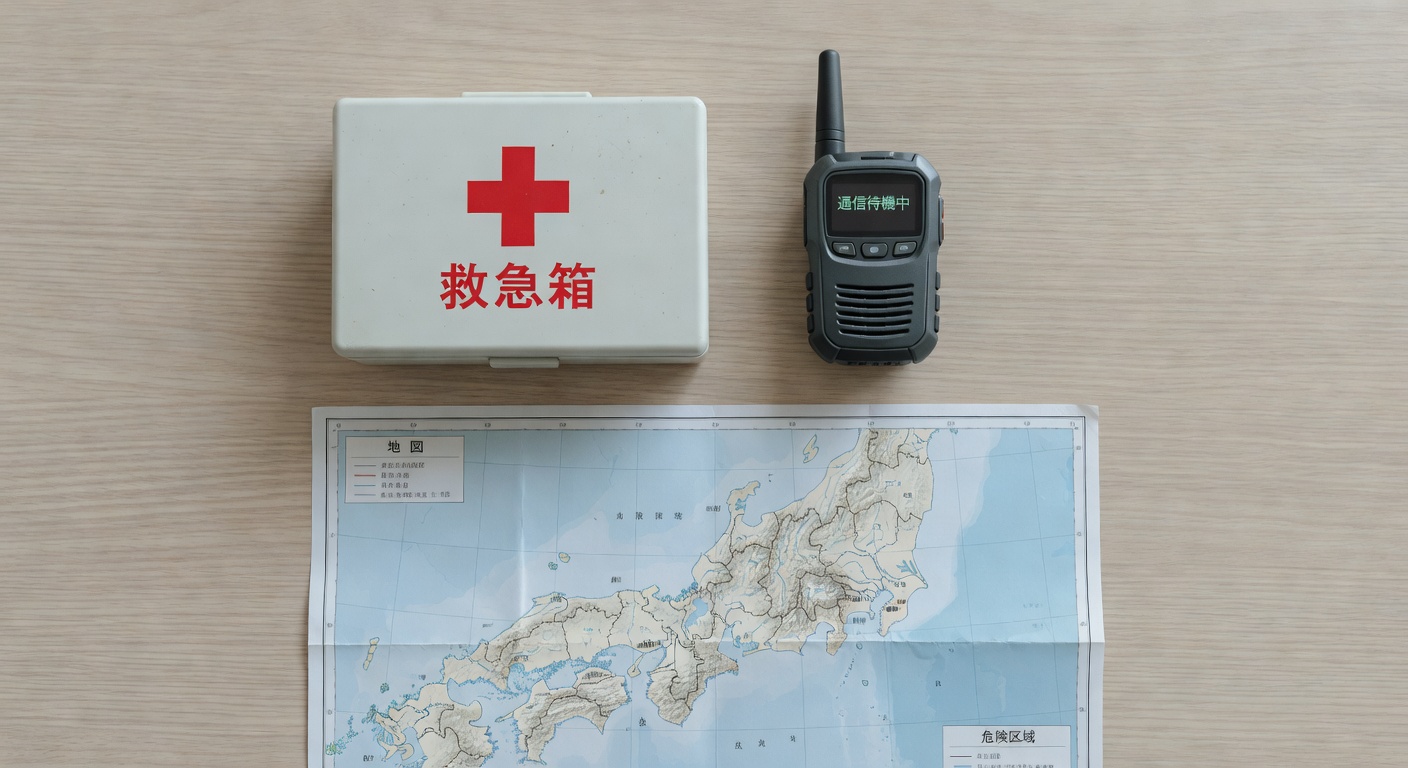
Every household in Tokyo should maintain an emergency kit (hijou mochidashi bukuro) that can sustain the family for at least three days without external support. The Tokyo Metropolitan Government recommends the following essentials:
- Water: 3 liters per person per day (9 liters minimum per person)
- Non-perishable food: canned goods, energy bars, dried rice (alpha mai), and crackers
- Flashlight and extra batteries (or a hand-crank flashlight)
- Portable radio (battery or hand-crank) for emergency broadcasts
- First aid kit with personal medications
- Copies of important documents (residence card, insurance, passport) in a waterproof bag
- Cash in small denominations (ATMs may be offline)
- Portable phone charger and charging cables
- Warm clothing, rain gear, and sturdy shoes
- Whistle, work gloves, and a basic tool kit
Drills and Community Preparedness
Tokyo wards conduct regular disaster preparedness drills (bousai kunren), typically held annually in September around Disaster Prevention Day (September 1st). These drills are open to all residents and provide hands-on experience with earthquake response procedures, fire extinguisher use, basic first aid, and emergency communication systems. Participation is strongly encouraged — the drills are informative, well-organized, and provide an opportunity to meet your neighbors in a context that matters.
Your neighborhood association (chonaikai) likely has a disaster preparedness committee that maintains local emergency supplies, manages evacuation routes, and coordinates with the ward office. Knowing your designated evacuation site (hinanjo) is critical — these are typically local schools or parks that serve as gathering points and temporary shelters during a major earthquake. Signs indicating evacuation routes are posted throughout residential neighborhoods in Japanese and, increasingly, in English and other languages.
ℹ Earthquake Safety Essentials
- Know your nearest evacuation site — check the green signs posted in your neighborhood
- Register for your ward's emergency alert system (email and app-based)
- Secure tall furniture to walls using anti-topple brackets (tenpou boushi)
- Keep shoes and a flashlight beside your bed for nighttime earthquakes
- Install the "Safety Tips" app by Japan Tourism Agency for multilingual earthquake alerts
- Participate in your ward's annual disaster drill — dates are posted at community centers
- Establish a family meeting point in case phone networks are overloaded
Evacuation Routes and Emergency Communication
In the event of a major earthquake, mobile phone networks often become congested or unavailable. Japan has several backup communication systems for these situations. NTT's Disaster Message Dial (171) allows residents to record and retrieve voice messages. The "Disaster Message Board" (saigai dengon ban) service, accessible via web or the major carriers' apps, enables text-based status updates that family and friends can check. Familiarize yourself with these systems before an emergency — NTT runs practice access periods on the first and fifteenth of each month.
Walking your evacuation route at least once is a simple but powerful preparedness step. Know the route from your home to your designated shelter, and identify an alternate route in case the primary path is blocked. Note the locations of emergency water stations, first aid posts, and public phones along the way. Many wards distribute printed evacuation maps — pick one up at your ward office or community center.
Tokyo's Sustainability Initiatives and Eco-Friendly Living
Tokyo Metropolitan Government has set ambitious sustainability targets, including a commitment to halve greenhouse gas emissions by 2030 (compared to 2000 levels) and achieve net-zero by 2050. These high-level goals translate into practical programs and incentives that residents can take advantage of.
The "Tokyo Zero Emission" initiative promotes electric vehicles, solar panel installations, and energy-efficient home appliances through subsidies and tax incentives. Residents who install solar panels on their homes or apartments can receive substantial rebates, and several wards offer additional local incentives on top of the metropolitan-level subsidies. Energy-efficient appliances carrying the "Top Runner" certification are also eligible for point-based reward programs at participating retailers.
Reducing single-use plastics is another area where Tokyo has made significant progress. Since Japan's nationwide plastic bag charge took effect, most supermarkets and convenience stores charge for bags, encouraging the use of reusable shopping bags (my bag or eco bag). Many cafes offer discounts for bringing your own cup (my cup), and an increasing number of shops sell package-free household products like detergent, shampoo, and cooking ingredients by weight.
Food waste reduction programs are gaining momentum as well. Many supermarkets discount items approaching their expiration date, and apps like "Tabete" connect consumers with restaurants and bakeries that have surplus food at the end of the day. Composting is also feasible in Tokyo — several wards provide subsidized composting bins for home use, and some community gardens accept compostable kitchen waste from local residents.
"Sustainability in Tokyo is not about perfection — it is about the accumulation of small, consistent choices. Carry your eco bag, sort your recycling, turn off the lights. It adds up."
Transportation is one of the most impactful areas for eco-friendly living in Tokyo. The city's extraordinary public transit system is already one of the most energy-efficient in the world — choosing trains and buses over private cars is itself a significant environmental contribution. Cycling is another excellent option, with many wards expanding bicycle lanes and offering municipal bicycle-sharing programs. For residents who do drive, Tokyo offers incentives for switching to electric or hybrid vehicles, including reduced tolls on metropolitan expressways.
Ultimately, living green in Tokyo is less about dramatic lifestyle overhauls and more about aligning with systems and habits that the city has already put in place. The infrastructure is there — the recycling system, the public transit, the community gardens, the disaster preparedness networks. The invitation is simply to participate, consistently and thoughtfully, in a way that benefits both you and the remarkable city you call home.