Raising children in Tokyo is a unique experience that blends centuries-old cultural traditions with the infrastructure of one of the world's most advanced cities. From navigating the childcare application process to finding pediatricians who speak your language, family life here comes with its own set of challenges and rewards. This guide draws on real-world experience to help you build the support network every parent needs in this remarkable city.
Raising Children in Tokyo: Daily Life and Neighborhood Culture
One of the first things parents notice about raising children in Tokyo is how remarkably safe the city feels. Children as young as six routinely walk to school unaccompanied, crossing busy intersections with the help of volunteer crossing guards (midori no obasan) stationed at key points each morning. This culture of communal child-watching is deeply embedded in neighborhood life and provides a level of everyday security that many families from abroad find both surprising and reassuring.
Daily routines for families with young children tend to revolve around the school or nursery schedule. Mornings begin early — most elementary schools start around 8:15 a.m., while nurseries typically accept drop-offs from 7:00 a.m. Afternoons are filled with after-school programs (gakudo), lessons in piano, swimming, or calligraphy, and visits to the local park. The neighborhood park is not just a place for play; it functions as an informal community hub where parents exchange information, build friendships, and watch out for each other's children.
Evenings are family time in most Tokyo households. Dinner is typically served early by Western standards — often between 6:00 and 7:00 p.m. — and bedtime for young children usually falls between 8:00 and 9:00 p.m. The rhythm is consistent, predictable, and shaped by the collective routines of the surrounding community. For families new to the city, falling into this rhythm is one of the fastest ways to feel at home.
"Tokyo taught me that raising children is not something you do alone. From the park regulars who know my kids by name to the nursery teachers who notice every small detail — the support is woven into everyday life."
Childcare Facilities: Hoikuen, Yochien, and Kodomoen
Understanding Tokyo's childcare system begins with knowing the three main types of facilities. Each serves a different purpose, and choosing the right one depends on your family's circumstances, your work schedule, and where you live.
Hoikuen (Nursery/Daycare)
Hoikuen are licensed daycare facilities overseen by the Ministry of Health, Labour and Welfare. They accept children from as young as two months old and operate with extended hours — typically from 7:00 a.m. to 6:00 or 7:00 p.m. — making them the primary option for dual-income families. Public (ninka) hoikuen are subsidized by the local ward and charge fees based on household income, while private (ninkagai) hoikuen set their own tuition, which can vary significantly.
The application process for public hoikuen is competitive, particularly in popular wards. Applications are submitted through your ward office, usually in October or November for the following April enrollment. Each family is assigned a point score based on factors such as both parents' working hours, commute time, the presence of siblings already enrolled, and whether the household has other caregiving responsibilities. Higher scores increase your chances of placement. Understanding this point system is essential — your ward office can provide the specific scoring criteria, and many ward websites publish them online in both Japanese and English.
Yochien (Kindergarten)
Yochien are preschools under the Ministry of Education that accept children aged three to five. They generally operate shorter hours — from around 9:00 a.m. to 2:00 p.m. — and are designed more as educational institutions than daycare. Many yochien offer extended afternoon programs (azukari hoiku) for an additional fee, which can help bridge the gap for working parents. Private yochien are more common than public ones in Tokyo and each sets its own admissions process, which may include interviews and, in some cases, simple entrance assessments.
Kodomoen (Integrated Centers)
Kodomoen are a newer category that combines the functions of both hoikuen and yochien under a single roof. They accept children from infancy through preschool age and offer both the extended hours of a nursery and the educational curriculum of a kindergarten. The number of kodomoen in Tokyo has been growing steadily as the government seeks to address the shortage of childcare spaces while providing a unified early childhood experience.
ℹ Key Steps for Childcare Applications
- Visit your ward office's childcare section (hoiku-ka) for application forms and local guidelines
- Research facilities in your area — attend open days (kengaku) to see each center firsthand
- Prepare required documents: proof of employment, residence card, tax certificates, and household income records
- Submit applications by the ward deadline (usually October-November for April entry)
- List multiple facility preferences on your application to improve your chances of placement
- If initially rejected, apply for the waitlist — spaces often open up throughout the year
Pediatric Healthcare in Tokyo
Access to quality pediatric care in Tokyo is generally excellent, though navigating the system for the first time can feel daunting — particularly for international families. Understanding the basics of how children's healthcare works will give you confidence and save you time when it matters most.
Finding a Pediatrician
Most families in Tokyo register with a local pediatric clinic (shonika) near their home. These clinics handle routine check-ups, vaccinations, common childhood illnesses, and referrals to specialists or hospitals when needed. Walk-in visits are common for many clinics, though an increasing number now offer online reservation systems to reduce waiting times. When choosing a clinic, consider proximity to your home, the doctor's communication style, and whether English or other language support is available. Ward office websites often list local medical facilities, and international community forums are a reliable source of firsthand recommendations.
Vaccinations
Japan's vaccination schedule differs from those in many other countries. The national immunization program covers a range of routine vaccines — including BCG, measles-rubella (MR), Japanese encephalitis, and the four-in-one (DPT-IPV) — which are provided free of charge at designated clinics. Additional vaccines such as influenza and rotavirus are available but may require out-of-pocket payment. Your ward office will send vaccination vouchers (yobou sesshu-ken) by mail after your child's birth registration, and your pediatrician can help you understand the schedule and any differences from your home country's program.
Emergency Care
For after-hours emergencies, Tokyo operates a network of nighttime and holiday pediatric clinics (kyuujitsu/yakan shonika) staffed by rotating doctors. Your ward's website lists the nearest facilities and their hours. In true emergencies, call 119 for an ambulance. The Tokyo Metropolitan Health and Medical Information Center (Himawari) provides 24-hour medical consultation in multiple languages at 03-5285-8181 — a number every parent in Tokyo should save in their phone.
Parenting Support Networks and Community Resources
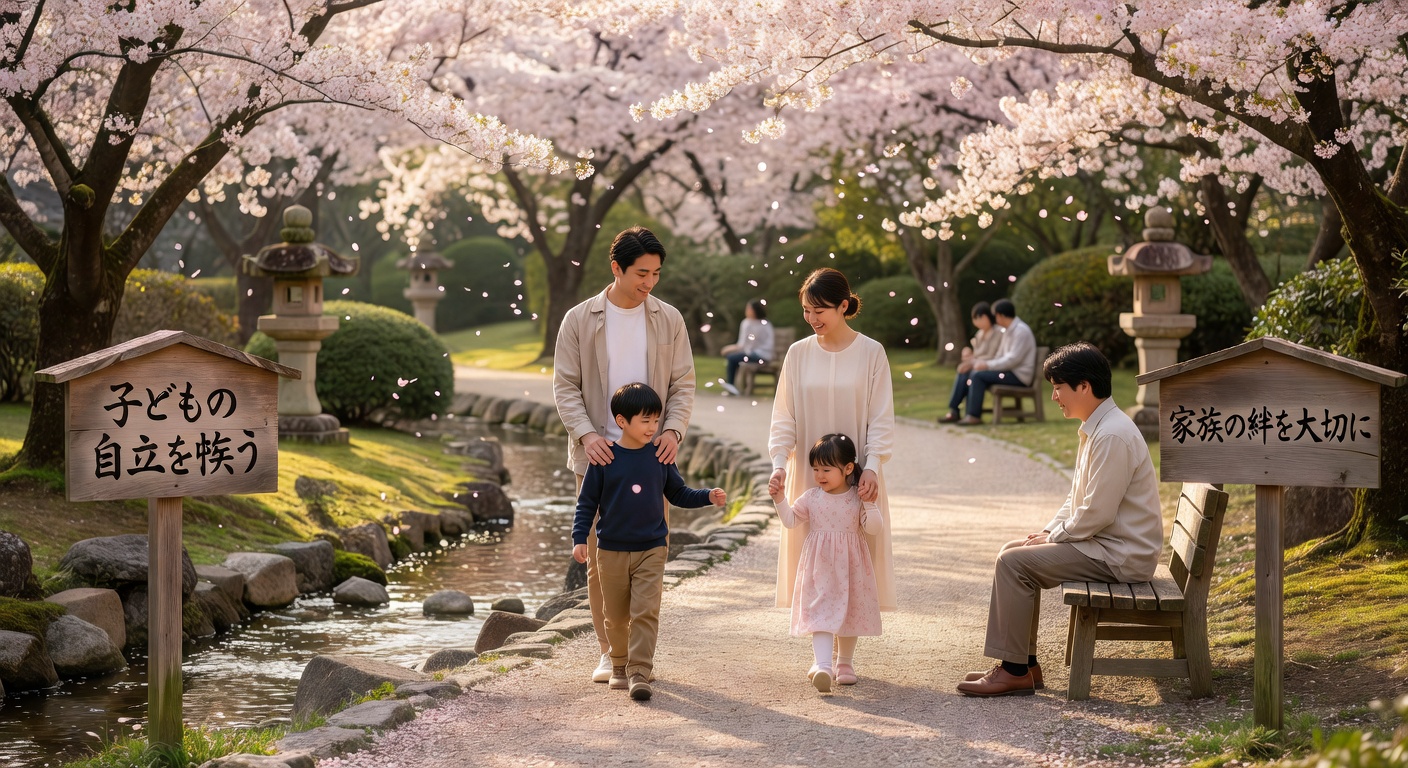
No parent should navigate Tokyo alone, and the city offers a surprisingly rich infrastructure of support — both formal and informal — for families at every stage. Knowing where to find these resources can make the difference between feeling isolated and feeling genuinely supported.
Ward-operated family support centers (kosodate shien sentaa) are the cornerstone of this network. Found in every ward, these centers offer drop-in playrooms for young children, parenting consultations, health check-ups, and connections to local families in similar circumstances. Many centers run regular programs such as baby massage classes, nutrition workshops, and peer support groups for new mothers. In wards with significant international populations, multilingual staff or volunteer interpreters are often available.
Beyond the formal infrastructure, parent-led communities play an equally important role. Playgroups organized through social media, international mothers' groups, and neighborhood parenting circles all provide the kind of peer support that official programs cannot replicate. The Tokyo Mothers' Group, Tokyo Families Magazine, and ward-specific Facebook groups are excellent starting points for finding these communities. Many families report that the friendships formed through these informal networks become among the most meaningful relationships of their time in Tokyo.
"The kosodate shien center in our ward became our lifeline in the first year. Free playgroups, health nurse consultations, and a room full of other parents who understood exactly what we were going through."
Family-Friendly Activities and Weekend Outings
Tokyo is, by any measure, one of the best cities in the world for families with children. The range of activities available on any given weekend is extraordinary — and much of it is free or very affordable. Building a repertoire of go-to outings helps establish the kind of routine that children thrive on and gives parents much-needed variety.
Parks and Nature
Tokyo's park system is extensive and well-maintained. Large parks such as Yoyogi, Inokashira, Shinjuku Gyoen, and Koganei Park offer open green spaces, playgrounds, cycling paths, and seasonal attractions. Smaller neighborhood parks (jido koen) are found every few blocks and serve as daily gathering spots for local families. Many parks also host weekend events — from nature walks and insect-catching sessions to seasonal festivals — that provide structured activities for children of all ages.
Museums and Learning Spaces
Child-oriented museums and science centers abound. The National Museum of Emerging Science and Innovation (Miraikan) in Odaiba, the Railway Museum in Omiya, and the Ghibli Museum in Mitaka are perennial favorites. Many ward libraries run weekly story time sessions in Japanese and occasionally in English. For rainy days, indoor play facilities such as Kid-o-Kid and ASOBono offer pay-by-the-hour play environments designed for different age groups.
Seasonal Family Events
The Japanese calendar is rich with child-focused celebrations. Kodomo no Hi (Children's Day) on May 5th, Shichi-Go-San in November for children aged three, five, and seven, and the various matsuri held throughout summer all provide memorable family experiences. Participating in these events — dressing in traditional clothing, visiting shrines, flying koinobori (carp streamers) — connects your family to the cultural life of the city in ways that feel meaningful and lasting.
ℹ Top Family-Friendly Destinations in Tokyo
- Inokashira Park (Kichijoji) — boating lake, zoo, playground, and weekend artisan market
- Ueno Zoo and National Science Museum — a full day of exploration for all ages
- Odaiba — Miraikan science museum, beach park, and LEGOLAND Discovery Center
- Showa Kinen Park (Tachikawa) — vast open spaces, cycling, and seasonal flower displays
- Local ward pools and sports centers — affordable swimming and activities during school holidays
Navigating Work-Life Balance as a Parent in Japan
Work-life balance is one of the most discussed — and most difficult — aspects of parenting in Japan. The country's long-hours work culture can place enormous pressure on families, and finding a sustainable balance requires deliberate choices, institutional awareness, and sometimes a willingness to swim against the current.
Japan's legal framework for parental leave is, on paper, among the most generous in the world. Mothers are entitled to 14 weeks of maternity leave (six before and eight after birth), followed by up to one year of childcare leave (ikuji kyuugyo) at roughly 67% of salary for the first six months and 50% thereafter. Fathers are also entitled to childcare leave, and recent legislative reforms have introduced a new "postnatal paternity leave" (sango papa ikukyu) of up to four weeks within the first eight weeks after birth. Despite these provisions, uptake of paternal leave remains low, though it is increasing year by year.
For working parents, the practical challenge often comes down to the gap between official policy and workplace culture. Leaving the office at 5:00 p.m. to pick up a child from nursery is legally protected but can still attract silent disapproval in some traditional workplaces. Many parents — particularly mothers — find that switching to part-time or flexible work arrangements is the most realistic path, though this often comes at a cost to career progression. International companies and newer Japanese firms tend to offer more genuinely flexible arrangements, and the trend is clearly moving in a positive direction.
Support systems such as fami-sapou (family support programs) — where registered community members provide temporary childcare for a modest fee — can help bridge gaps in your schedule. Many wards also offer emergency childcare programs (byouji hoiku) for mildly ill children who cannot attend their regular nursery, allowing parents to avoid taking sudden days off work.
Building Your Family's Life Here
Raising children in Tokyo is not without its frustrations — the childcare application process can feel opaque, the work-life balance conversation is ongoing, and navigating medical systems in a second language requires patience. But the compensations are profound. Your children will grow up in one of the safest, most stimulating, and most culturally rich cities on earth. They will learn resilience, consideration for others, and the quiet confidence that comes from being part of a community that genuinely looks after its youngest members.
The key is to start where you are: register at your ward office, visit the local family support center, take your children to the nearest park on Saturday morning, and say hello to the families already there. Tokyo's family infrastructure is deep and wide — but it opens most readily to those who show up, ask questions, and let themselves be helped. You are not doing this alone. The city is full of parents who have walked the same path and are ready to walk alongside you.