Tokyo is a city that works hard — but it also knows how to play. Beneath the surface of its famously busy streets lies an extraordinarily rich world of leisure opportunities, from ancient martial arts dojos and quiet pottery studios to neon-lit karaoke rooms and mountain trails just an hour from the city center. Whether you are looking to stay active, explore a creative passion, or simply find new ways to unwind, this guide will help you discover the activities that make life in Tokyo so rewarding beyond the office and the commute.
Sports Clubs and Fitness
Staying physically active in Tokyo is easier and more affordable than many newcomers expect. The city's infrastructure for sports and fitness is extensive, ranging from budget-friendly public facilities to world-class private gyms, and the sheer variety of activities available means there is something for virtually every interest and fitness level.
Gyms and Fitness Centers
Tokyo's gym landscape spans a wide spectrum. At the most affordable end, ward-operated sports centers (taiikukan) offer clean, well-equipped gym floors, swimming pools, and group fitness classes for as little as ¥400 to ¥600 per session — with no membership contracts or sign-up fees. Every ward in Tokyo operates at least one such facility, and most are open to all residents regardless of which ward they live in.
For those seeking a more premium experience, commercial gym chains like Anytime Fitness, Gold's Gym, Konami Sports Club, and Tipness offer full-service facilities with extended hours, personal training, and spa amenities. Monthly memberships typically range from ¥7,000 to ¥15,000. Boutique fitness studios — offering specialized formats like CrossFit, barre, spinning, or hot yoga — have also proliferated in Tokyo's central wards, with per-class pricing usually between ¥2,500 and ¥4,000.
Martial Arts
Training martial arts in Tokyo is a rare privilege. The city is home to dojos for every major Japanese martial art — judo, kendo, aikido, karate, and kyudo (archery) — many of which have been operating for generations. The Kodokan in Bunkyo, the birthplace of judo, welcomes international practitioners and offers classes for all levels. Ward sports centers frequently run introductory courses in various martial arts at minimal cost, making them an ideal entry point for curious beginners.
Beyond traditional arts, Tokyo also has a thriving community for Brazilian jiu-jitsu, boxing, Muay Thai, and mixed martial arts. English-friendly gyms in these disciplines are concentrated in Shibuya, Roppongi, and Shinjuku, though neighborhood-level clubs exist throughout the city. Most dojos offer trial classes, so you can explore different arts before committing.
Running Clubs
Running is deeply woven into Tokyo's fitness culture. The 5-kilometer loop around the Imperial Palace is the city's most iconic running route, attracting runners at all hours of the day and night. But Tokyo's running options extend far beyond this single circuit: the paths along the Tama River, the trails through Yoyogi Park and Komazawa Olympic Park, and the waterfront routes in Odaiba all offer excellent terrain for runners of every level.
Joining a running club is one of the best ways to build a social circle through sport. Namban Rengo, one of Tokyo's longest-established international running clubs, meets weekly and welcomes runners of all abilities. Parkrun events (free, timed 5K runs held every Saturday morning) operate at several locations across Tokyo and are an excellent low-commitment entry point into the running community.
"I came to Tokyo expecting to give up the outdoor lifestyle I loved back home. Instead, I found a city with more hiking trails, running paths, and sports clubs than I could explore in a lifetime."
Art Studios and Creative Workshops
Tokyo's creative scene is as accessible as it is diverse. The city is home to an astonishing number of studios, workshops, and classes where residents can explore everything from traditional Japanese crafts to contemporary art forms — often with no prior experience required.
Pottery and Ceramics
Pottery (tougei) is one of the most popular leisure activities in Tokyo, and for good reason. The meditative rhythm of working with clay, combined with the deep cultural significance of ceramics in Japanese daily life, makes it a uniquely satisfying pursuit. Studios across the city offer classes ranging from single-session introductions (typically ¥3,000 to ¥6,000) to ongoing courses where students develop their skills over months or years. Notable studios include Utsuwaya Mizu in Koenji, Shiraiwa Pottery in Setagaya, and the Tsukamoto Ceramics School in Mejiro.
Calligraphy, Ikebana, and Traditional Arts
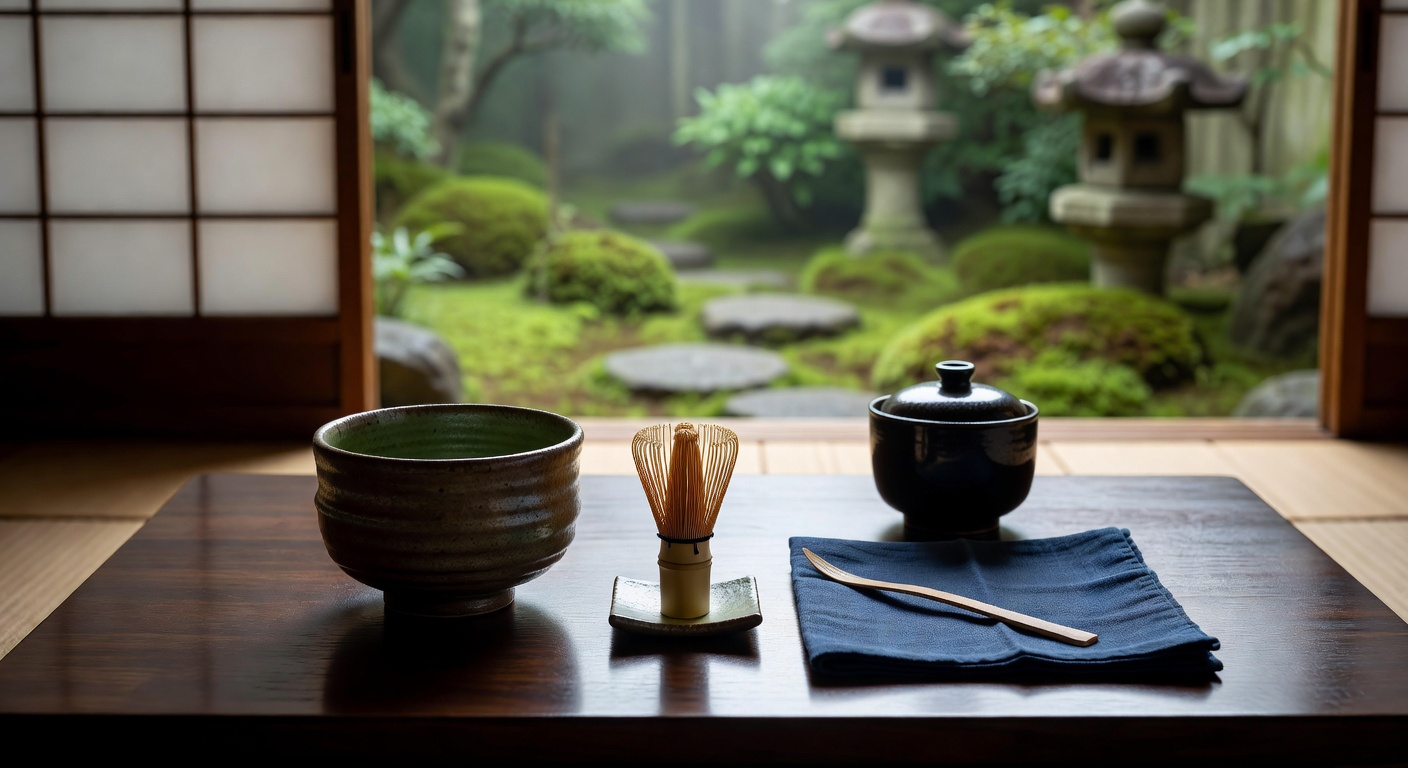
Japanese calligraphy (shodo), flower arrangement (ikebana), and tea ceremony (sado) are not merely historical curiosities — they are living practices with active communities across Tokyo. Community centers (kouminkan) are often the most affordable and accessible venues for introductory classes, with many offering courses specifically designed for international residents. Cultural schools like Sogetsu (ikebana), Urasenke (tea ceremony), and various private shodo studios offer more structured curricula for those wishing to pursue these arts more seriously.
Karaoke Culture and Best Spots
Karaoke is not just a pastime in Japan — it is a cultural institution. Unlike the public-stage format common in many Western countries, Japanese karaoke takes place in private rooms (karaoke bokkusu) rented by the hour, making it an intimate social activity rather than a performance. This format means there is no audience of strangers to feel self-conscious about — just you and your friends, a songbook with hundreds of thousands of tracks, and a tambourine.
Major karaoke chains like Big Echo, Karaoke Kan, Joysound, and DAM offer clean, well-equipped rooms throughout Tokyo at competitive rates. Weekday daytime rates can be remarkably affordable — as low as ¥300 to ¥500 per person per hour — while weekend evening rates typically run ¥800 to ¥1,500. Most chains offer all-you-can-drink packages (nomihoudai) that include soft drinks, alcohol, and light food. Many locations have English-language song catalogs with extensive selections of Western pop, rock, and classic hits.
For a more unique experience, seek out Tokyo's independent karaoke bars. Shidax Clove in Shibuya offers premium rooms with high-end sound systems. Fioria in Ginza caters to a more sophisticated crowd with elegant decor and a curated food menu. And for the truly adventurous, hitokara (solo karaoke) has become a completely normalized activity — dedicated solo karaoke booths at chains like One Kara cater to individuals who simply want to sing for the pure joy of it.
ℹ Karaoke Essentials
- Weekday daytime sessions offer the best rates — often half the price of weekend evenings
- Most machines have English interfaces — press the language button on the remote control
- Free time passes (フリータイム) offer unlimited singing for a fixed price during off-peak hours
- Bring your own snacks if the chain allows it — check house rules at the front desk
- Solo karaoke (hitokara) is completely normal and widely available across the city
Hiking and Nature Escapes Near Tokyo
One of Tokyo's best-kept secrets is its proximity to genuinely spectacular natural landscapes. Within one to two hours of central Tokyo by train, you can find yourself on forested mountain trails, beside rushing waterfalls, or walking through ancient temple groves — a world away from the concrete and glass of the city center.
Mount Takao
Mount Takao (Takao-san) is the most accessible hiking destination from central Tokyo, reachable in under an hour from Shinjuku via the Keio Line. The mountain offers multiple trails ranging from a gentle paved path (Trail 1, suitable for families and beginners) to more challenging forest routes (Trail 6 follows a stream through dense woodland). At the summit (599 meters), you are rewarded with panoramic views of the Kanto Plain and, on clear days, Mount Fuji. The mountain is particularly popular during autumn foliage season (koyo) in November, when the trails are ablaze with red and gold.
Okutama and Chichibu
For more serious hiking, the Okutama region in western Tokyo and the Chichibu-Tama-Kai National Park offer rugged mountain trails, deep gorges, and pristine rivers. Mount Kumotori (2,017 meters), Tokyo's highest peak, is a challenging but rewarding overnight hike with mountain hut accommodation available. The Nippara Limestone Cave, the Tama River gorge, and the Mitake Valley are all excellent options for day-trip hikers seeking a more immersive nature experience.
Seasonal Attractions
One of the great joys of living in Tokyo is the way the city transforms with each season, offering a constantly changing calendar of visual spectacles and outdoor events that draw residents out of their routines and into shared moments of appreciation.
Hanami (Cherry Blossom Viewing)
Cherry blossom season in late March and early April is arguably Tokyo's most beloved annual event. Parks across the city — Ueno, Yoyogi, Shinjuku Gyoen, Chidorigafuchi, and Meguro River among the most famous — transform into corridors of pink and white blossoms. The tradition of hanami (flower viewing) involves gathering with friends, family, or colleagues under the trees for food, drinks, and quiet appreciation of the fleeting beauty. The key to a good hanami is arriving early to secure a spot (particularly on weekends), bringing a waterproof tarp to sit on, and preparing food and drinks in advance.
Koyo (Autumn Foliage)
If spring belongs to the cherry blossoms, autumn belongs to the momiji (Japanese maple). From mid-November through early December, Tokyo's parks and temple gardens are set ablaze with shades of crimson, amber, and gold. Rikugien Garden in Bunkyo, Koishikawa Korakuen, and the gardens of Meiji Jingu Gaien (with its famous ginkgo-lined avenue) are among the city's most spectacular autumn viewing spots. Many gardens offer special evening illuminations during peak foliage season, creating magical nighttime landscapes.
Winter Illuminations
Tokyo's winter illumination season, running roughly from November through February, transforms the city into a constellation of light. Major displays include the Marunouchi Illumination along Naka-dori Street, the Roppongi Hills Christmas Market, the Caretta Shiodome light show, and the Yebisu Garden Place chandelier display. These illuminations are free to view and have become an integral part of Tokyo's winter social calendar — couples, families, and friends gather to stroll through the lights, often combining the experience with a visit to a nearby restaurant or cafe.
"Every season in Tokyo brings something new to look forward to. Just when you think you've settled into a routine, the city reminds you that there is always another festival, another bloom, another reason to step outside and explore."
Weekend Getaways from Tokyo
Tokyo's position at the center of Japan's extensive rail network makes weekend escapes remarkably convenient. Several world-class destinations are within two hours by train, offering a complete change of pace without the need for extensive planning or long-distance travel.
Hakone (90 minutes from Shinjuku) offers hot spring resorts, the Hakone Open-Air Museum, scenic lake cruises on Lake Ashi, and views of Mount Fuji. The Hakone Free Pass provides unlimited travel on local transport for two or three days, making it an excellent value.
Kamakura (60 minutes from Tokyo Station) is home to the Great Buddha, numerous ancient temples and shrines, and beautiful coastal hiking trails. The Daibutsu Hiking Course connects Kita-Kamakura to the Great Buddha through forested hills, and the beaches along Yuigahama and Zaimokuza are popular in summer.
Nikko (two hours from Asakusa on the Tobu Line) features the spectacular Toshogu Shrine, a UNESCO World Heritage Site, along with stunning waterfalls (Kegon Falls), Lake Chuzenji, and some of the finest autumn foliage in the Kanto region.
Kawagoe (30 minutes from Ikebukuro) is known as "Little Edo" for its preserved Edo-period merchant district. The clay-walled warehouses, traditional sweet shops, and the iconic Bell Tower make it a charming half-day or full-day excursion that feels like stepping back in time.